The Metal Detecting Code of Conduct
Metal detecting is not a hobby that exists in a vacuum. The act of unearthing artifacts directly impacts private property, public lands, and the broader historical record. Because of this, strict adherence to legal frameworks and a universally accepted ethical code of conduct is mandatory. The reputation of the entire hobby rests on the behavior of individual detectorists.
The Golden Rule: Permission is Mandatory
The single most important rule in metal detecting is this: you must have explicit permission to search any piece of land. In almost all jurisdictions, all land is owned by someone, whether it is a private farmer, a local council, a state government, or a federal entity. Detecting on land without permission is trespassing, and removing items from that land constitutes theft.
Securing permission often requires a professional approach. Detectorists must approach landowners respectfully, ideally securing written permission that outlines exactly what happens if something of value is found (typically a 50/50 split between finder and landowner). It is crucial to understand that public parks and common areas are not automatically open to detecting; municipal bylaws frequently prohibit digging or removing items from public property.
Treasure Laws and Reporting
When searching for historical items, you must be intimately familiar with the heritage and treasure laws governing your specific region. These laws dictate what constitutes "treasure" and outline the legal obligations for reporting finds to authorities.
In many regions, items defined as treasure—often categorized by age, material (gold or silver), and whether they belong to a hoard—must legally be reported to a local coroner or heritage officer within a strict timeframe. Failure to report these items is a criminal offense. Even for items that do not meet the legal definition of treasure, recording significant historical finds with local archaeological databases helps preserve the historical context of the land, contributing vital data to historians and archaeologists rather than simply locking history away in a private display case.
Environmental Ethics: Leave No Trace
A detectorist's footprint should be invisible. The environment must be respected at all times. This applies most stringently to the digging process. When recovering a target in grass, you must cut a neat three-sided plug, carefully fold it back, extract the item, and replace the plug so that it lies flat and roots can quickly re-establish. Leaving open holes or mounds of loose dirt is unacceptable and is the primary reason detecting is banned in public spaces.
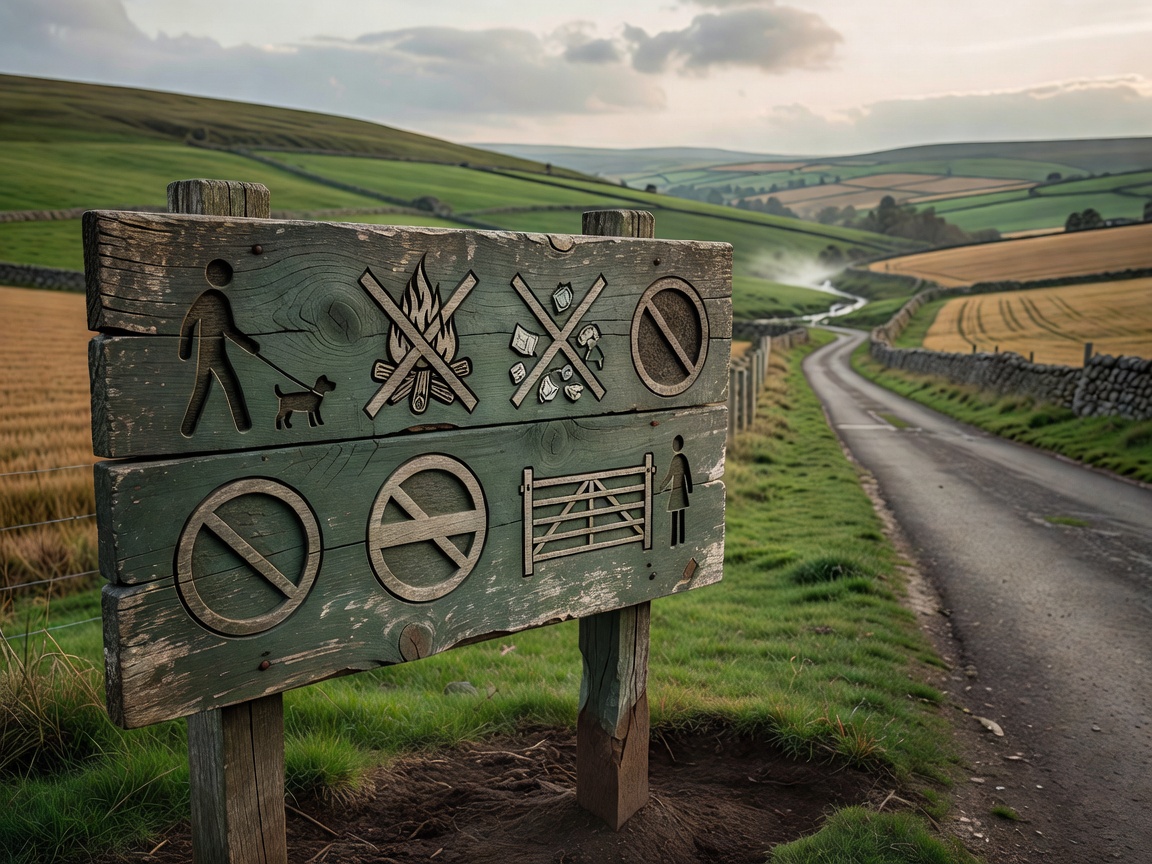
Furthermore, all trash recovered during a hunt—pull-tabs, foil, iron shards—must be removed from the site and disposed of properly. A responsible detectorist leaves an area cleaner than they found it. Finally, care must be taken around wildlife, livestock, and crops. Gates must be left exactly as they were found, and fields containing actively growing crops should generally be avoided unless explicit permission has been granted by the farmer.