VLF vs. Pulse Induction Detectors
When selecting a metal detector, understanding the underlying technology is paramount. The market is primarily divided into two main categories: Very Low Frequency (VLF) and Pulse Induction (PI). Each technology possesses distinct physical operating principles, dictating how they interact with both targets and ground minerals. Choosing between them depends entirely on where you intend to hunt and what you are hoping to find.
Very Low Frequency (VLF) Technology
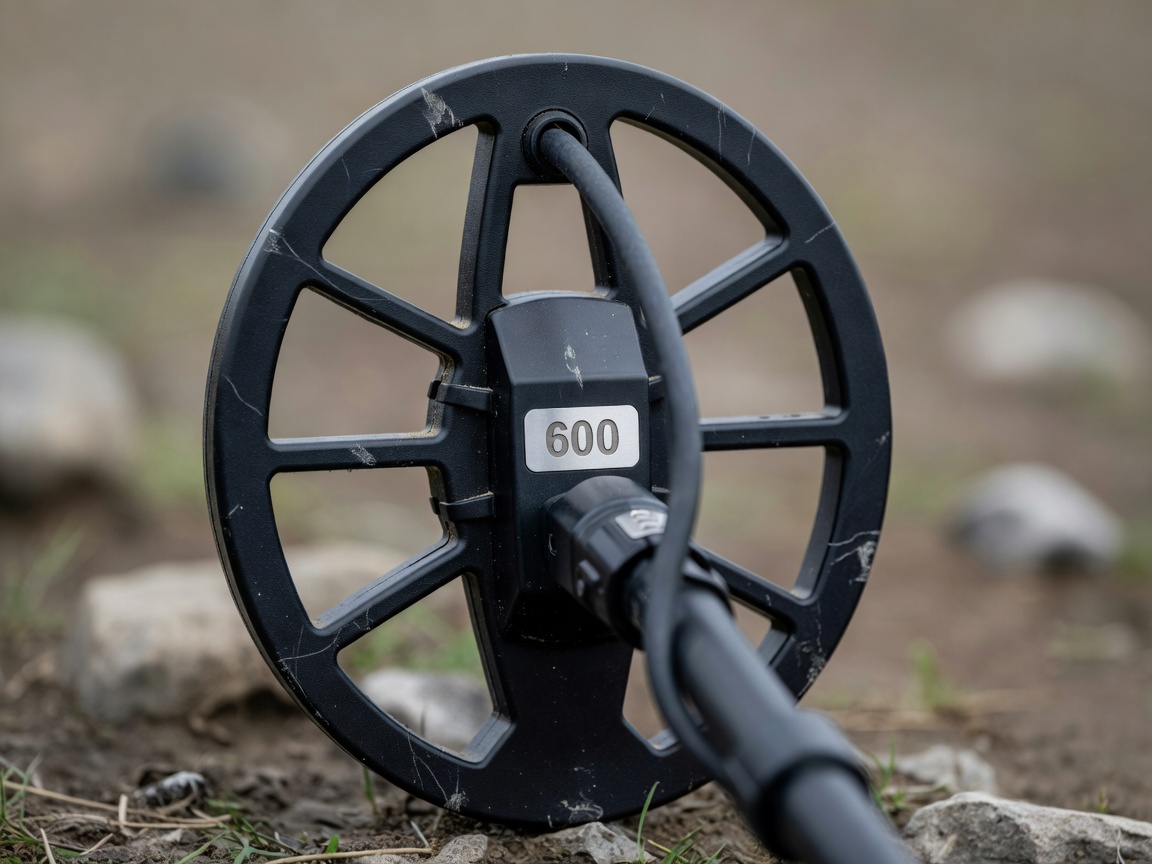
VLF technology is the standard for the vast majority of consumer metal detectors. A VLF detector operates using two distinct wire coils housed within the search head: a transmitter coil and a receiver coil. The transmitter pushes an alternating electrical current into the ground, creating a continuous electromagnetic field. When this field passes over a conductive metallic object, it generates tiny eddy currents on the object's surface. These eddy currents produce a secondary electromagnetic field, which is detected by the receiver coil.
Advantages of VLF
The primary advantage of VLF technology is its ability to discriminate between different types of metals. Because different metals conduct electricity differently, the phase shift of the returned signal varies depending on the metal type. The detector's processor analyzes this phase shift and assigns a Target ID, allowing the user to visually and audibly distinguish between a highly conductive silver coin and a low-conductive iron nail. This makes VLF machines ideal for trash-heavy environments like parks and inland fields.
Limitations of VLF
VLF machines struggle in highly mineralized ground. The same electromagnetic field that detects coins will also react to iron oxides in the soil and dissolved salts in wet beach sand. While advanced VLF machines use multi-frequency technology to combat this, extreme mineralization will still reduce detection depth and cause false signaling in VLF detectors.
Pulse Induction (PI) Technology
Pulse Induction operates on a completely different physical principle. Instead of a continuous transmission, a PI detector uses a single coil (or sometimes a separate transmit and receive coil configuration) to send powerful, short bursts—or "pulses"—of electrical current into the ground. Each pulse generates a magnetic field. When the pulse ends, the magnetic field collapses, causing a sharp electrical spike in the coil. This collapse is delayed slightly if a conductive metal object is present. The detector measures this delay to determine the presence of a target.
Advantages of PI
PI technology ignores ground mineralization almost entirely. Because it measures the delay of the collapsing magnetic field rather than an ongoing phase shift, minerals like saltwater and black sand do not interfere with the signal. This allows PI detectors to punch incredibly deep into the ground, far surpassing the depth capabilities of VLF machines in difficult soils. They are the detector of choice for saltwater surf hunting and gold prospecting in heavily mineralized terrain.
Limitations of PI
The major drawback of PI technology is its near-total lack of discrimination. Because of how the pulses interact with metal, a PI machine cannot easily differentiate between a gold ring and an iron bobby pin. If you hunt in a trashy environment with a PI detector, you will end up digging every piece of metal in the ground. They are also generally heavier and consume batteries faster than VLF units.
Making the Choice
The decision between VLF and PI comes down to environmental application. If you intend to hunt primarily inland in parks, fields, and woods where trash density is high, a VLF detector with good discrimination is essential. If your goal is to hunt the wet sand and surf of saltwater beaches, or if you are hunting deep relics in clean ground where iron trash is nonexistent, a Pulse Induction machine will provide unmatched depth and stability.