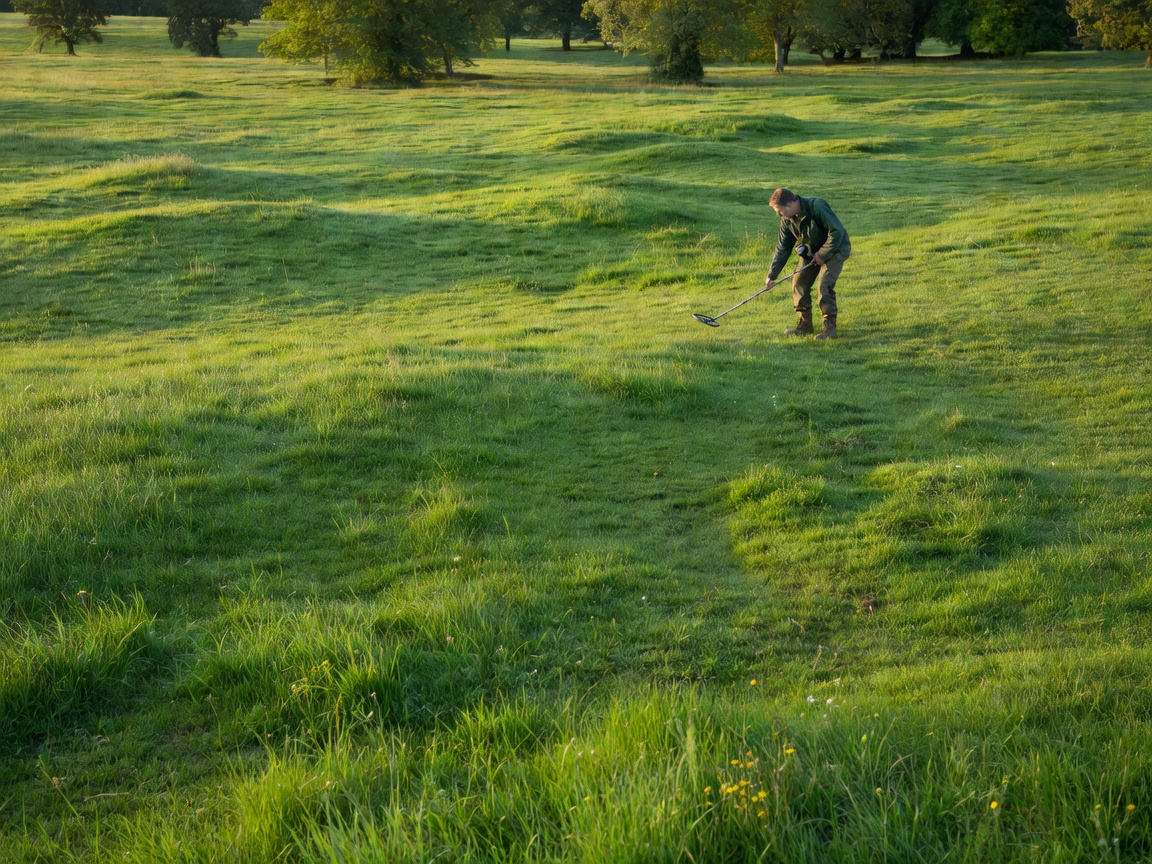
Best Environments to Hunt
The success of a metal detecting session is directly correlated to the location chosen. While it is theoretically possible to find a lost item anywhere humans have traversed, certain environments consistently yield better results due to historical foot traffic, soil composition, and target sink rates. Understanding the unique challenges and advantages of different terrains is essential for any detectorist aiming to maximize their finds.
Beaches: The Edge of the Water
Beaches are among the most popular environments for metal detecting, largely because they are constantly replenished with newly dropped items (modern coins, jewelry) by holidaymakers. However, beach detecting is divided into two distinct zones, each requiring different strategies and, often, different equipment.
Dry Sand: The dry sand at the top of the beach is relatively easy to hunt. The lack of moisture means there is little to no saltwater mineralization, allowing standard single-frequency VLF machines to operate smoothly. Digging is effortless, and targets are generally shallow, having been dropped recently. The primary challenge here is the sheer volume of modern trash, such as bottle caps and foil wrappers.
Wet Sand and the Surf: Moving closer to the water presents a severe technical challenge. Saltwater is highly conductive, and when combined with the natural minerals in the sand, it creates an environment that will cause a standard VLF detector to chatter erratically. Hunting in wet sand requires a machine capable of handling this extreme mineralization, typically a multi-frequency VLF detector or a Pulse Induction (PI) machine. While challenging, the wet sand and surf often hold heavier, denser items—like gold rings—that sink quickly through the loose matrix of the tidal zone.
Arable Farmland: The Historian's Playground
For those seeking historical artifacts—Roman coins, medieval buckles, and military relics—plowed farmland is arguably the best environment. Agricultural activity turns the soil annually, bringing deep, ancient items closer to the surface where a detector's electromagnetic field can reach them.
Hunting in arable fields requires obtaining permission from the landowner, which is a critical step governed by strict legal and ethical codes. Once permission is secured, the optimal time to hunt is shortly after the field has been plowed and rained upon. Rain compacts the loose, aerated soil, providing a better medium for the detector's signal to travel through, effectively increasing the depth capabilities of your machine. The challenge in fields is often iron contamination ("iron falsing") from centuries of agricultural machinery breaking down, requiring a machine with excellent target separation capabilities.
Parks and Public Commons
Public parks have hosted continuous human activity for decades, if not centuries, making them prime locations for older coins (often referred to as "silver hunting"). Because the soil is rarely turned over, older, heavier coins have had decades to sink, meaning you will often need a machine with good depth capabilities to reach the older strata.
The dominant characteristic of park hunting is trash density. Decades of picnics and events leave a legacy of aluminum pull-tabs, foil, and crown caps. A successful park hunter relies heavily on target masking mitigation, using smaller search coils (like a 6-inch "sniper" coil) to surgically pick out good signals nestled between pieces of junk. Digging etiquette here must be flawless; messy holes or damaged grass will quickly lead to metal detecting bans in public spaces.
Woodlands and Forests
Woodlands offer a tranquil environment, often preserving items exactly where they fell centuries ago, undisturbed by modern agriculture. Historic pathways, ancient boundaries, and old encampment sites hidden within forests can yield spectacular finds.
However, forests present physical obstacles. Tree roots make digging incredibly difficult and require heavy-duty digging tools. Overgrowth and fallen branches limit how close you can get the search coil to the ground, effectively reducing your detection depth. Target density is usually lower than in parks or fields, requiring long periods of patient searching, but the preservation quality of artifacts found in undisturbed woodland soil is often exceptional.